
The Reading Strategy
As our students experience their time at The Farnley Academy and venture into the wider world, it is vital that they are confident in their reading skills and abilities. All subject curriculums at The Farnley Academy are carefully derived with the importance of reading in mind: giving our students as much experience as possible of reading texts that range in topic, style, ability and interest. The National Curriculum states that: ‘All the skills of language are essential to participating fully as a member of society; pupils who do not learn to speak, read and write fluently and confidently are effectively disenfranchised.’ We endeavour to ensure that each and every pupil can achieve anything they wish to with the promotion and instilment of effectual reading.
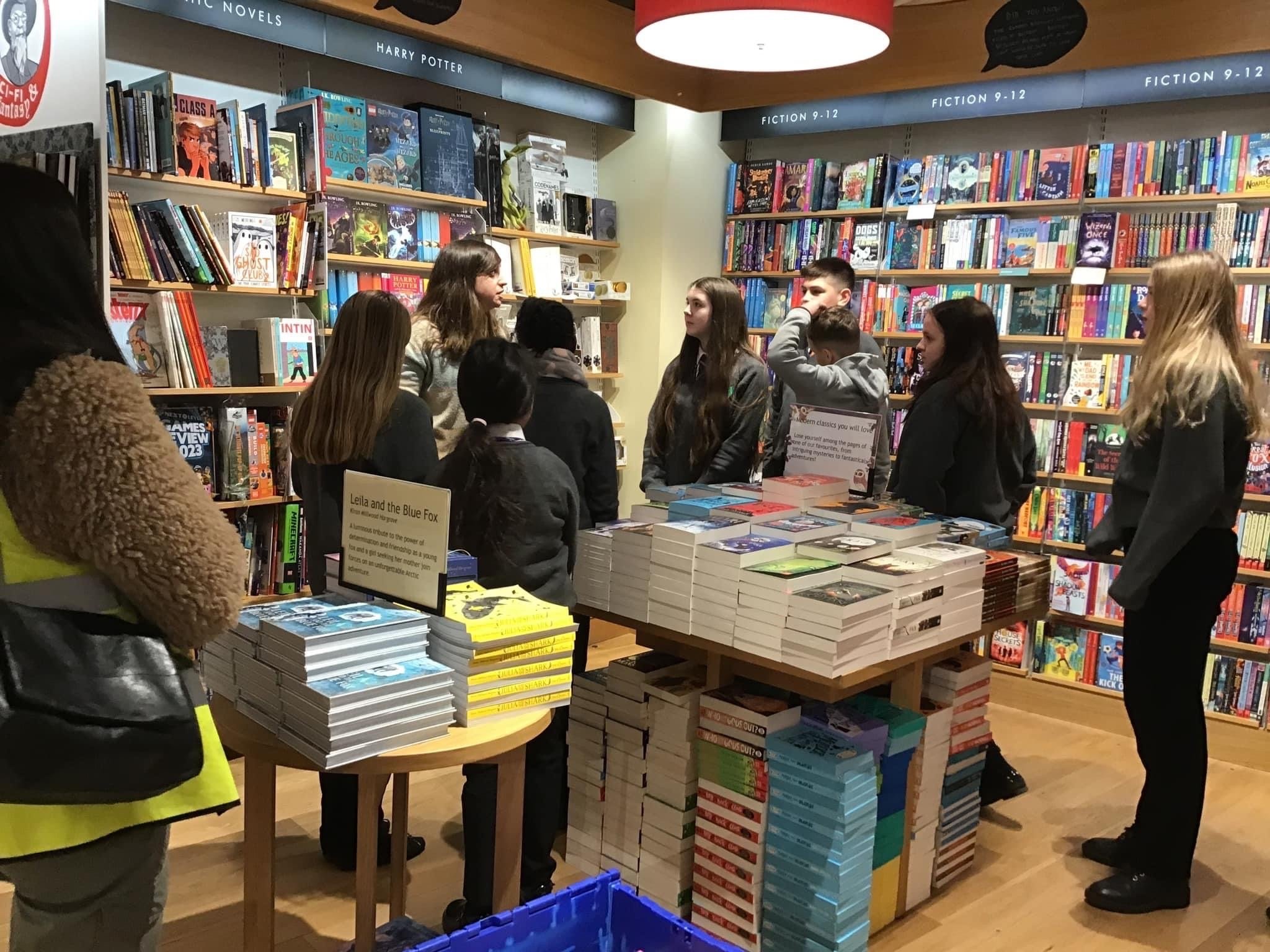
For every student, our reading strategy aims to ensure that all pupils:
- Read easily, fluently and with good understanding
- Develop the habit of reading widely and often, for both pleasure and information
- Acquire a wide vocabulary, an understanding of grammar and knowledge of linguistic conventions for reading, writing and spoken language
- Appreciate our rich and varied literary heritage
- Write clearly, accurately and coherently, adapting their language and style in and for a range of contexts, purposes and audiences
- Use discussion in order to learn; they should be able to elaborate and explain clearly their understanding and ideas
- Are competent in the arts of speaking and listening, making formal presentations, demonstrating to others and participating in debate
How do we deliver this?
Prioritisation of ‘disciplinary literacy’ across the curriculum.
Disciplinary literacy is an approach to improving literacy across the curriculum. It recognises that literacy skills are both generic and subject specific, emphasising the value of supporting teachers of every subject to teach students how to read, write and communicate effectively.
Create opportunities for students to read as a group and fully immerse themselves within texts.
Through group reading, teachers are better able to observe, monitor and attend to the needs of readers. As a group, learners are expected to be more engaged with the story as students are afforded more opportunities to interact with one another through group discussions.
Develop students’ ability to read complex academic texts.
Academic reading is challenging because it requires students to actively engage with complex, subject specific texts. As students tackle a challenging text, they make sense of it by constructing a rich mental representation that goes far beyond a simple literal representation.
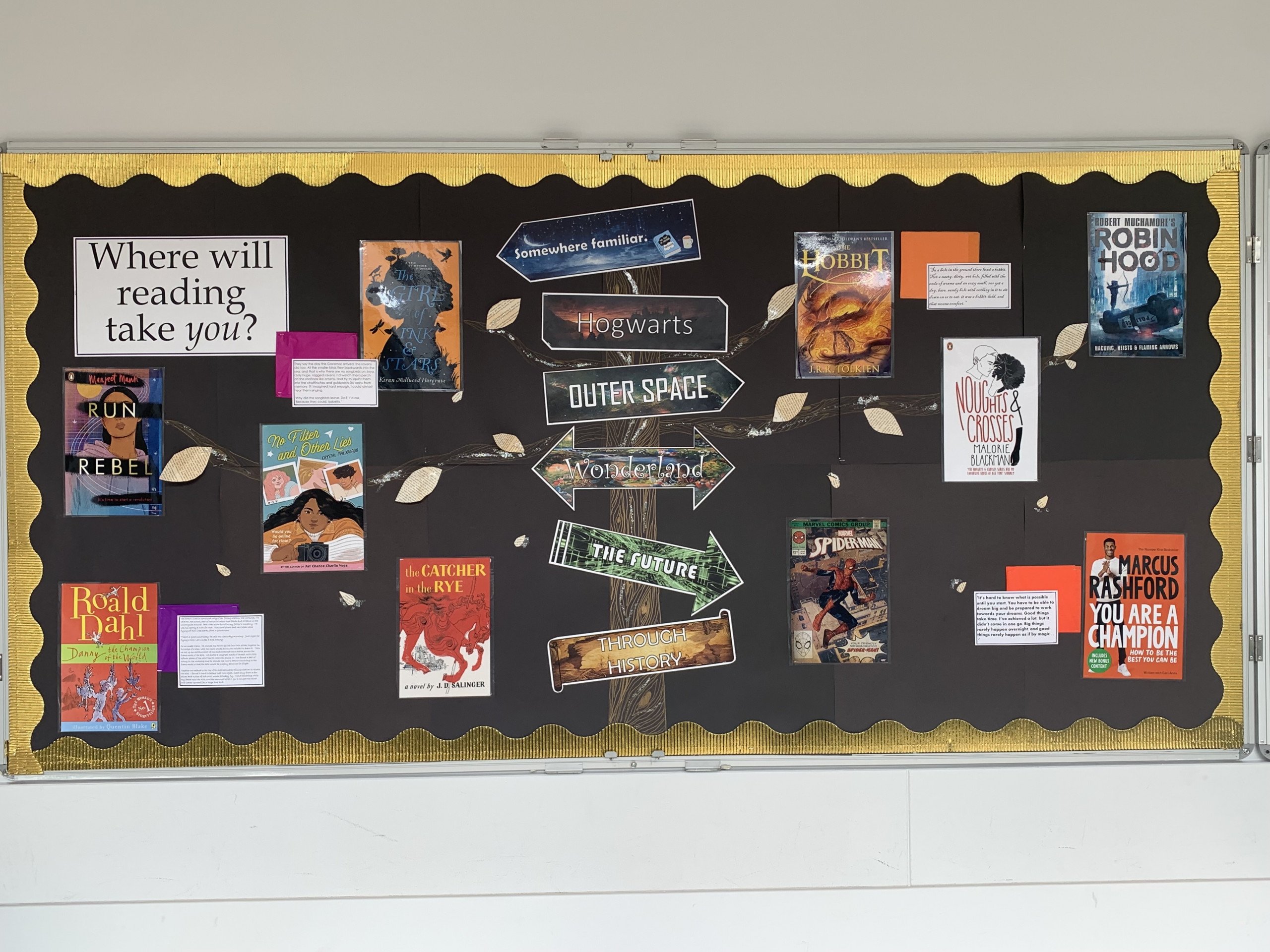
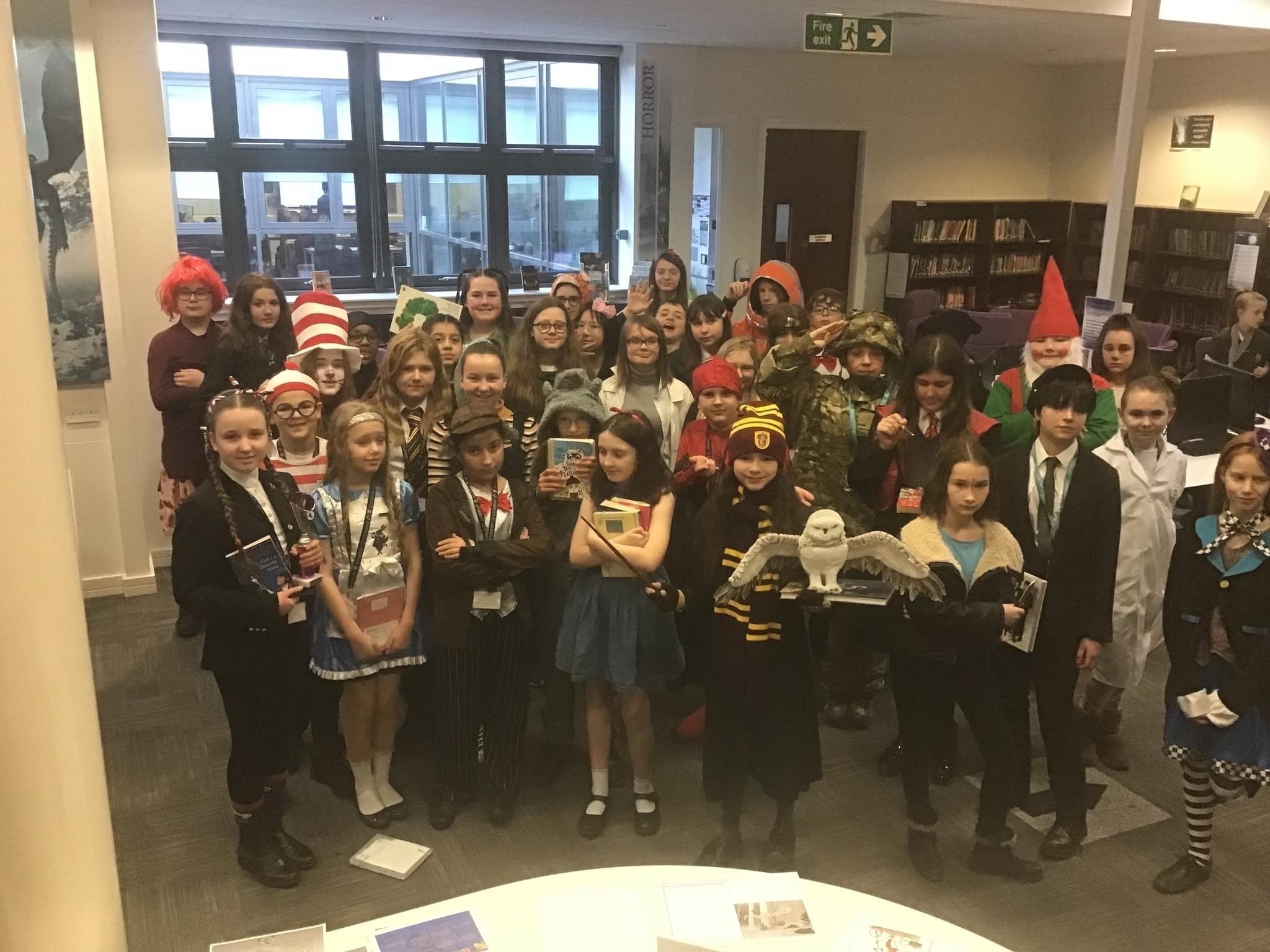
Create a ‘reading culture’ and love of reading for all students.
Reading is a prerequisite for almost all cultural and social activities. Building a strong reading culture puts reading at the forefront of school improvement. A creative and exciting reading culture not only breeds capable and committed readers, but it also boosts wellbeing, community connectedness, and student outcomes.
Provide high quality interventions for the those below the expected reading age.
High quality teaching across the curriculum will reduce the need for extra literacy support. Nevertheless, it is likely that a small number of students will require additional support in the form of high quality, structured, targeted interventions-to make progress.
| Disciplinary Literacy Strategies Across all Year Groups |
|---|
|
Provision and Support
High quality teaching across the curriculum will reduce the need for extra literacy support. Nevertheless, it is likely that a small number of students will require additional support in the form of high quality, structured, targeted interventions-to make progress.
- NGRT Testing – Years 7, 8 and 9 complete termly reading assessments using the NGRT Testing programme (information regarding testing is detailed above).
(Those in years 10/11 who were identified to still be significantly behind at the end of the previous academic year also join this testing). - High quality and trackable reading interventions – Based on the dataset from the NGRT testing, students are banded into three wave groups. The level of intervention that students receive is dependent upon the data that emerges from the termly reading assessment. Reading ages are utilised to allocate individual students to a programme tailored to help improve their reading and abilities. Intervention includes:
- SEND one-to-one – 50-minute reading interventions, that take place weekly. Impact is measured. TAs oversee this.
- Small literacy focus groups – Lessons embedded within the Curriculum for those students who enter year 7 significantly below the expected reading age
- EAL students at The Farnley Academy are given extra support to ensure that they have a full and enriching student experience. Student’s reading abilities are initially assessed by doing a Salford reading test in the school’s Learning Support Centre. Following this, trained staff use personalised interventions that are dependent on the student’s current level of English. Primarily, phonics reading books are used to support students (Totem, Talisman) from the
LSC. The EAL support team also creates their own resources.
Year Group Specific and Whole School Reading Initiatives
| Whole School Initiatives |
|---|
|
| Year 7 Reading | ||
|---|---|---|
| Within the Curriculum and Rubric Mapping documentations, Curriculum Leaders have identified key vocabulary which should be developed within each sequence of learning. Supplementary planning resources also highlight opportunities for developing reading including example literature and opportunities for developing oracy skills.Students study a Class Novel in their English lessons selected from a plethora of texts such as:
|
Forensic Reading – The texts selected for Forensic Reading are of an exceptionally high quality in terms of language and control, and they also delve into topic areas that stimulate awareness of the wider world.
These texts are supported by high quality PowerPoints which include carefully researched links to the wider world, imagery/ multimedia to support engagement and delivery, and teaching notes to support non-specialists in terms of subject knowledge and with planning Forensic Reading in Year 7 – 50 minutes a week within the curriculum model has been Texts include themes of:
|
Reading Lessons Commenced at the start of the 2022 academic year:
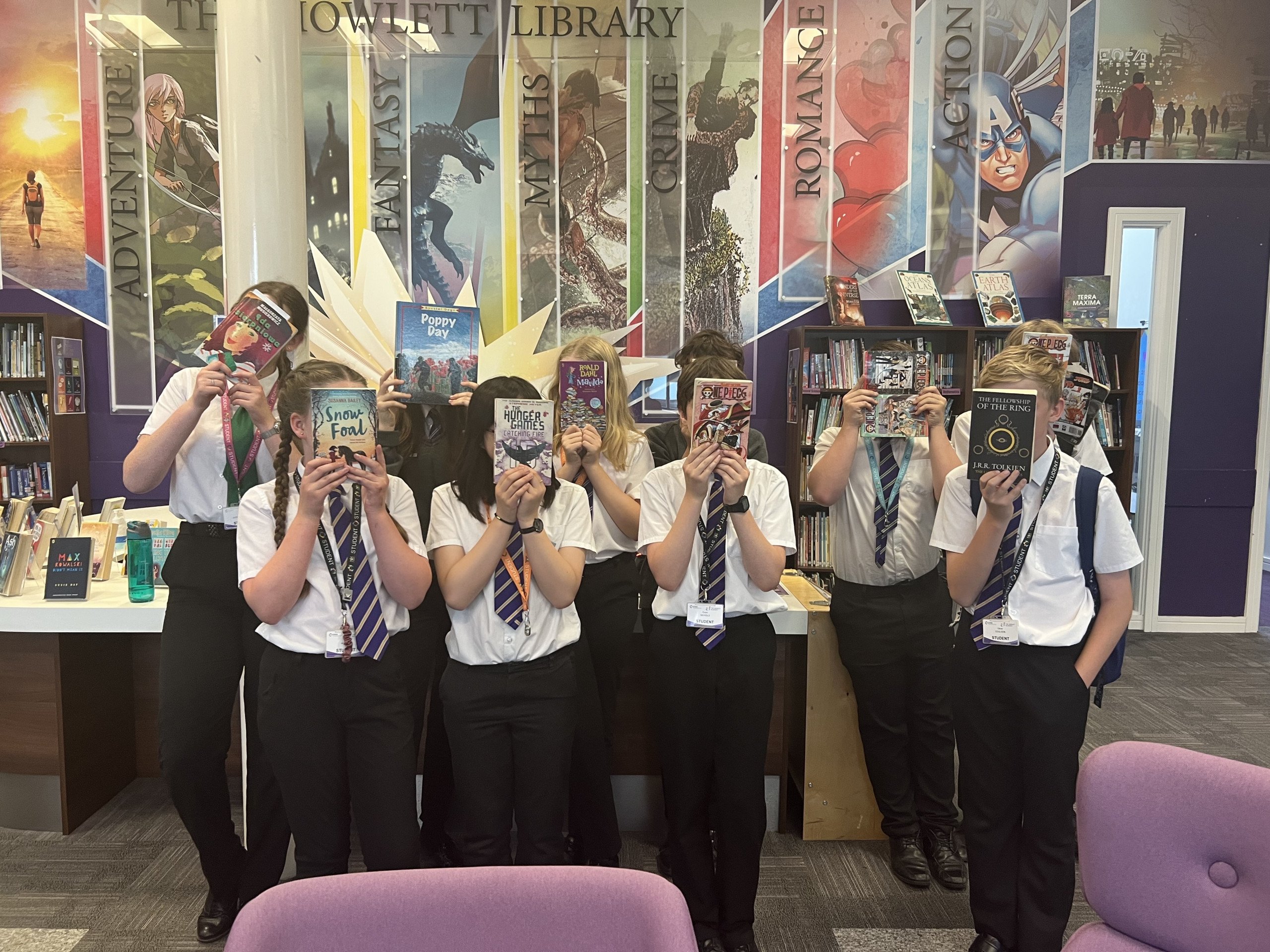
Reading Lessons – In years 7, there is a stand-alone reading lesson that is built into the Curriculum model. The purpose of this lesson is to simply facilitate group reading for students and nurture an enjoyment of class novels, whilst also exploring de-coding strategies where necessary. Students will read novels based on their ability. Students will read one class novel a term; the book is then gifted to students at the end of their reading. Texts selected:
Texts cover a range of topics that are important for the personal development of students including hope, grief, kindness and resilience. Gifting of texts – Year 7 and year 8 students are gifted one text every term after the completion of reading it. As well as this, all year groups are gifted with their forensic reading texts at the end of the academic year. |
| Year 8 Reading | ||
|---|---|---|
| Within the Curriculum and Rubric Mapping documentations, Curriculum Leaders have identified key vocabulary which should be developed within each sequence of learning. Supplementary planning resources also highlight opportunities for developing reading including example literature and opportunities for developing oracy skills.Students study a Class Novel in their English lessons selected from a plethora of texts such as:
|
Forensic Reading – The texts selected for Forensic Reading are of an exceptionally high quality in terms of language and control, and they also delve into topic areas that stimulate awareness of the wider world.
These texts are supported by high quality PowerPoints which include carefully researched links to the wider world, imagery/ multimedia to support engagement and delivery, and teaching notes to support non-specialists in terms of subject knowledge and with planning Forensic Reading in Year 8 – 50 minutes a week within the curriculum model has been Texts include themes of:
|
Reading Lessons Commenced at the start of the 2022 academic year:
Reading Lessons – In years 8, there is a stand-alone reading lesson that is built into the Curriculum model. The purpose of this lesson is to simply facilitate group reading for students and nurture an enjoyment of class novels, whilst also exploring de-coding strategies where necessary. Students will read novels based on their ability. Students will read one class novel a term; the book is then gifted to students at the end of their reading. Texts selected:
Texts cover a range of topics that are important for the personal development of students including hope, grief, kindness and resilience. |
| Year 9 Reading | |
|---|---|
| Within the Curriculum and Rubric Mapping documentations, Curriculum Leaders have identified key vocabulary which should be developed within each sequence of learning. Supplementary planning resources also highlight opportunities for developing reading including example literature and opportunities for developing oracy skills. Students also study various dramatic texts in their English lessons, such as:
|
Forensic Reading – The texts selected for Forensic Reading are of an exceptionally high quality in terms of language and control, and they also delve into topic areas that stimulate awareness of the wider world.
These texts are supported by high quality PowerPoints which include carefully researched links to the wider world, imagery/ multimedia to support engagement and delivery, and teaching notes to support non-specialists in terms of subject knowledge and with planning Forensic Reading in Year 9 – 50 minutes a week within the curriculum model has been Texts include themes of:
|
| Year 10 Reading | |
|---|---|
| Within the Curriculum and Rubric Mapping documentations, Curriculum Leaders have identified key vocabulary which should be developed within each sequence of learning. Supplementary planning resources also highlight opportunities for developing reading including example literature and opportunities for developing oracy skills.Students also study a pivotal English Heritage 19th century text:
|
Forensic Reading in Year 10 – The Forensic Reading texts are interwoven within the KS4 Curriculum and Rubric Map. For example, in Term 2, the Women, Suffrage and Misogyny component of Forensic Reading links with the Year 10 curriculum and will therefore be covered within curriculum time.
Texts include themes of:
|
| Year 11 Reading | |
|---|---|
| Within the Curriculum and Rubric Mapping documentations, Curriculum Leaders have identified key vocabulary which should be developed within each sequence of learning. Supplementary planning resources also highlight opportunities for developing reading including example literature and opportunities for developing oracy skills.Students are exposed to challenging and interesting texts within lessons to further develop their intrigue around various topics and enhance the breadth of reading styles and subjects that they have experienced to broaden their horizons. |
Forensic Reading Aspects
Although Forensic Reading is not a separate part of the Y11 curriculum, teachers continually expose students to challenging and ambitious texts. These are used across the curriculum to stretch students’ understanding of the wider world and develop their life skills around forensic reading, effective discussion and lively debate. |
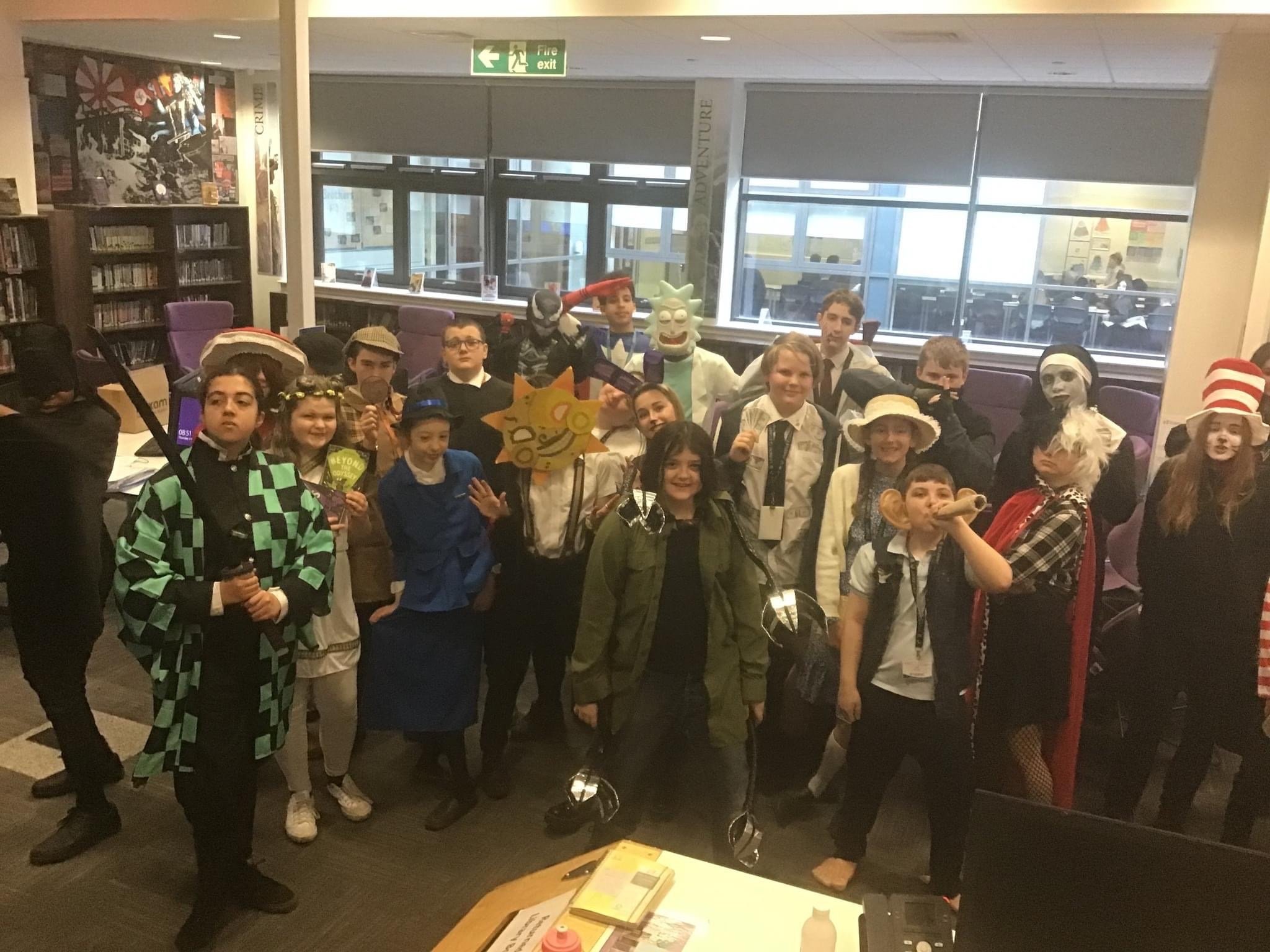
To support the delivery of TFA’s Reading Strategy, students will be given the opportunity to take part in workshops, assemblies with guest speakers and various activities throughout the year to ensure that they are given a range of opportunities to fully engage in reading.
By playing an active role in reading, our students at TFA will leave Secondary Education with the knowledge, skills, and resilience to achieve their goals.


